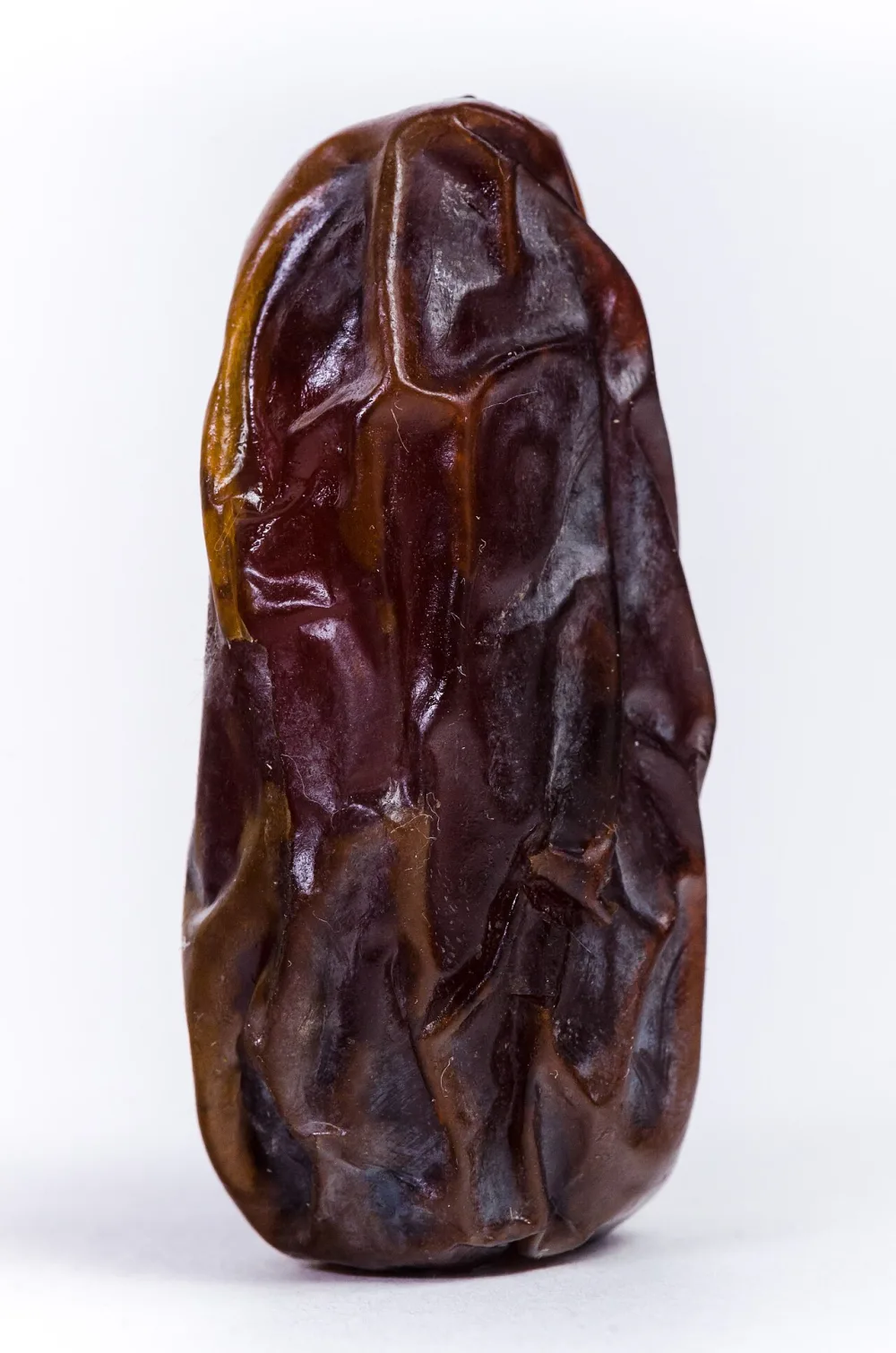
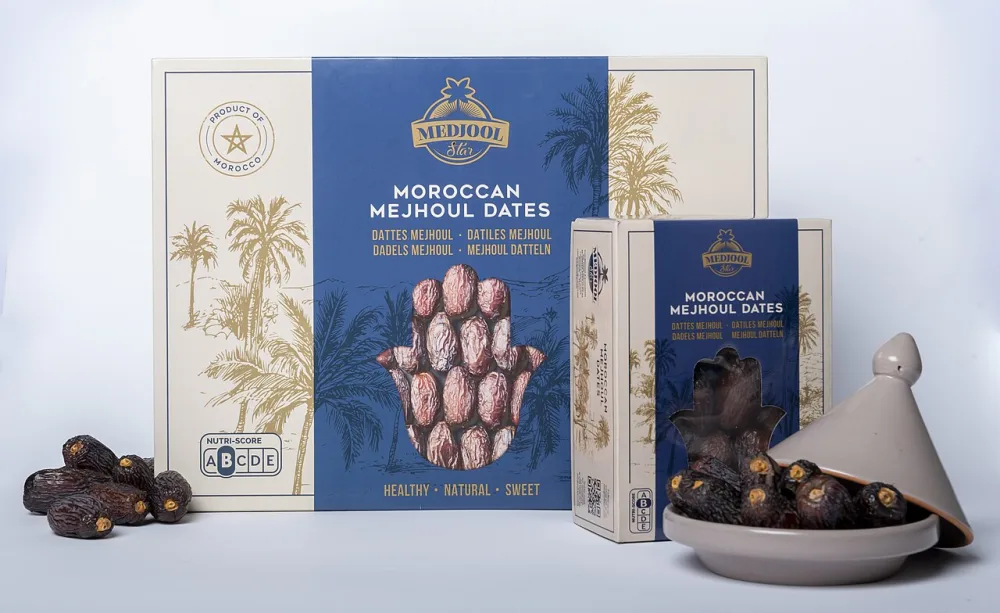
You bought top-grade Medjool dates, but weeks later the texture hardens, white spots appear, or they even grow mold. What a waste. The good news: Medjool is actually a long-lasting dried fruit when stored correctly — it can keep for months, even over a year. This guide explains how to store Medjool by method, its shelf life, and how to tell safe signs from spoilage, with special notes for Indonesia's humid tropical climate.
Medjool Shelf Life by Method
Medjool has higher moisture than hard dried dates like Deglet Noor, so it is soft but also needs more care. Below is a shelf-life reference per date-industry sources such as Natural Delights and Medjool Days.
| Method | Shelf Life | Notes |
|---|---|---|
| Room temperature (cool, dry) | ±1–3 months | Avoid heat, direct sun, and humidity |
| Fridge (chiller) | ±6 months, up to 8 months after opening if airtight | Most practical for Indonesia's climate |
| Freezer | ±12–24 months | Quality stays good; ideal for long-term stock |
For quick consumption within weeks, a cool room temperature is enough. But for hot, humid Indonesia, refrigeration is the safest choice so Medjool does not harden or mold quickly.
The Key: Airtight and Away from Moisture
Whatever the method, two principles matter most:
- Airtight container. Use a tightly sealed glass jar, food-grade plastic container, or zip-lock bag. This prevents the dates from absorbing odors from other foods and slows moisture loss.
- Avoid excess humidity. Water and humid air are the main mold triggers. Make sure hands and spoons are dry when taking dates, and never store in a still-wet container.
From the fridge, take the dates out briefly before serving so the texture softens at room temperature. For the freezer, freeze in small portions so you thaw only what you need, avoiding refreezing.
White Spots: Sugar Crystals or Mold?
Many people panic at a white film on the date surface, mistake it for mold, and throw it out. Yet it is often natural sugar crystals that are safe to eat. Here is how to tell them apart.
| Trait | Sugar Crystals (Safe) | Mold (Spoiled) |
|---|---|---|
| Appearance | Thin, dry, fine white film | Fuzzy, spotty, sometimes green/grey |
| Texture | Dry to the touch | Sticky, slimy, or wet |
| Smell | Normal, sweet | Sour, musty, or fermented |
| Handling | Safe; dissolves with a brief warm-water soak | Discard the entire affected piece |
According to sources like Natural Delights and Medjool Days, a dry white sugar film appears because the date's natural sugars crystallize on the surface — a normal phenomenon in sweet dates like Medjool, especially after cold storage. You can dissolve it with a brief warm-water soak. Conversely, fuzzy mold with a sour smell or slimy texture signals spoilage, and that date should be discarded.
Signs Medjool Dates Have Gone Bad
- Fuzzy mold on the surface, often with greenish or greyish color.
- Sour, musty, or fermented smell that deviates from the normal sweet aroma.
- Slimy or unusually wet texture.
- Bitter or off taste on tasting.
If you find one or more of these signs, do not risk it. Dates that have merely hardened from too long at room temperature are generally still safe and can be softened by brief steaming or soaking, but moldy dates are not.
Special Tips for Indonesia's Climate
High heat and humidity in Indonesia speed up texture changes and mold risk. Some practical steps:
- Default to the fridge. For stock beyond a few weeks, the fridge is far safer than a kitchen cupboard.
- Split large stock into small portions. If you buy a 5 kg carton, move part to the freezer and keep a weekly portion in the fridge, so the rest is not repeatedly exposed to air.
- Avoid storing near the stove or window exposed to heat and direct sun.
- Check periodically, especially in the rainy season when humidity rises.
Why Medjool Needs More Care Than Other Dates
Not all dates are equal for storage. Moisture content determines how prone a date is to texture change and mold.
| Date Type | Moisture | Storage Character |
|---|---|---|
| Medjool (soft) | Relatively high | Soft & delicious, but needs more protection from heat & humidity |
| Deglet Noor (semi-dry) | Medium | More shelf-stable at room temp, chewier texture |
| Hard dried dates | Low | Most long-lasting, but less juicy |
Because Medjool is a soft date with relatively high moisture, it is precisely that premium quality which calls for more careful storage. The good news: with simple steps — airtight and cold — that advantage can be preserved for a long time.
How to Re-Soften Hardened Dates
If your Medjool hardened from too long at room temperature (not from spoilage), you need not throw it out. Ways to restore softness:
- Brief steam. Steam the dates 1–2 minutes until the steam softens the flesh, then cool before serving.
- Warm-water soak. Soak a few minutes in warm water; this also dissolves surface sugar crystals.
- Warm briefly. A short warming helps the flesh become supple again. Avoid over-heating that makes the dates too mushy.
- Store with a piece of citrus or apple peel in a sealed container for a day to add a little natural moisture.
Remember, these techniques are only for dates that have merely hardened. Dates showing spoilage signs — mold, sliminess, or sour smell — should not be "rescued" and are best discarded for safety.
Storing Reseller Stock and Hampers
For resellers, storage management affects margin: spoiled stock is a direct loss. Keep large stock in a cool, dry place, rotate on a first-in-first-out basis, and repack in airtight containers before selling. If you stock a 5 kg carton for resale, consider keeping part in the freezer and moving to the fridge at your sales pace to keep quality intact. For hampers, ensure dates are tightly packed to stay fresh until they reach the recipient — a tip we also cover in our Medjool hamper guide.
With proper storage, our Medjool dates from Large to King can be enjoyed soft and delicious far longer. Questions about stock handling are welcome via WhatsApp.
This article is educational. When in doubt about food condition, prioritize safety and do not consume products showing signs of spoilage.